
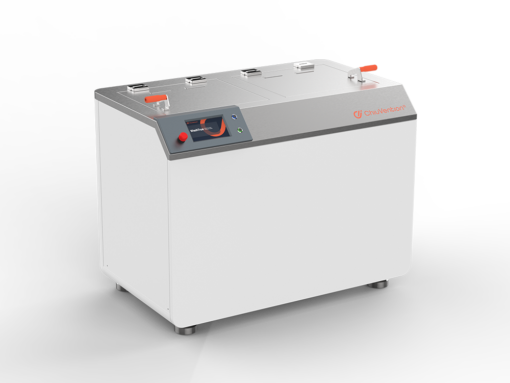
In today’s textile market, consumers expect fabrics to remain attractive and durable throughout their useful life. Whether it is clothing, sportswear, upholstery, or home textiles, maintaining color quality is essential for customer satisfaction. This is where color fastness to water plays a critical role. Textile manufacturers use this important quality parameter to evaluate how fabrics react when exposed to water and moisture during everyday use.
As global quality standards continue to rise, testing color fastness to water has become an essential part of modern textile manufacturing and quality assurance programs.
What Does Color Fastness to Water Mean?
Color fastness to water refers to a fabric’s ability to retain its original color when exposed to water without fading, bleeding, or transferring dye to adjacent materials. During testing, textile samples are subjected to controlled water exposure to determine the stability of the dye within the fabric structure.
A high rating indicates that the fabric can withstand moisture without significant color change. A low rating may reveal problems such as staining, color migration, or fading, all of which can negatively affect the product’s appearance and market value.
Because many textile products encounter water regularly, this test provides valuable information about long-term fabric performance.
Why Manufacturers Prioritize Color Fastness to Water
Water exposure can occur in numerous situations, including washing, rain, humidity, perspiration, and accidental spills. If a textile cannot resist these conditions, its appearance may deteriorate quickly.
Testing color fastness to water helps manufacturers:
- Evaluate dye quality
- Improve production processes
- Ensure product consistency
- Meet customer expectations
- Comply with industry standards
By identifying weaknesses before products reach consumers, manufacturers can reduce returns and strengthen brand credibility.
A Key Quality Indicator for Multiple Textile Applications
Color fastness to water is important across a wide range of textile categories. Apparel manufacturers rely on this test to ensure garments maintain their appearance after repeated use. Sportswear producers need fabrics that resist moisture from perspiration and outdoor conditions.
Home textile manufacturers also benefit from color fastness testing because products such as curtains, bedding, and upholstery may be exposed to moisture throughout their service life. For technical textiles and outdoor fabrics, water resistance is often a critical performance requirement.
As a result, color fastness to water testing remains one of the most widely used evaluations in textile laboratories.
Precision Testing Through Advanced Technology
Accurate testing requires precise control of environmental conditions. Modern textile laboratories use advanced testing equipment to ensure consistency and reliability during color fastness evaluations.
Intelligent temperature control systems are particularly important because temperature can influence dye behavior during testing. Advanced algorithms help maintain stable testing conditions, ensuring repeatable and trustworthy results.
This level of precision allows laboratories to produce accurate assessments that support effective quality management and product development.
Smart Features Improve Laboratory Efficiency
Today’s testing equipment is designed to simplify laboratory operations while increasing productivity. Touch-screen interfaces allow technicians to configure test settings quickly and monitor testing progress with minimal effort.
Users can typically:
- Select testing programs
- Adjust temperatures
- Set testing durations
- Monitor performance in real time
- Manage water-related functions
These smart features reduce setup complexity and help laboratories process more samples efficiently.
Automated Data Recording and Report Generation
Quality assurance depends on accurate documentation. Manual recordkeeping can be time-consuming and increase the risk of human error.
Modern testing systems automate the collection of sample information, testing parameters, and final evaluations. Detailed reports are generated automatically, providing laboratories with reliable records for internal quality control and customer verification.
Automated reporting also improves traceability, making it easier to review historical testing data and maintain compliance with quality management systems.
Digital Connectivity Supports Modern Testing Environments
The growing adoption of smart manufacturing technologies has led to increased demand for connected laboratory equipment. IoT-enabled testing systems allow users to monitor and manage testing activities remotely.
Through digital platforms, laboratory personnel can:
- Access testing information from any location
- Monitor multiple instruments simultaneously
- Receive automated notifications
- Review reports instantly
- Adjust testing schedules remotely
This connectivity improves operational flexibility and supports more efficient laboratory management.
Long-Term Reliability for Continuous Testing
Testing laboratories often operate equipment continuously throughout the day. Therefore, durability and reliability are essential considerations when selecting testing systems.
High-quality construction materials such as corrosion-resistant stainless steel help ensure long service life. Advanced heating technologies provide uniform temperature distribution, while robust mechanical components support smooth operation during repeated testing cycles.
Reliable equipment reduces downtime and helps laboratories maintain consistent testing performance.
Conclusion
Color fastness to water is a critical measure of textile quality that directly affects product performance and customer satisfaction. By evaluating how fabrics respond to moisture exposure, manufacturers can ensure their products maintain their appearance and meet industry requirements.
Accurate testing, intelligent automation, digital connectivity, and durable equipment all contribute to more effective color fastness to water evaluations. As textile quality expectations continue to increase, investing in reliable testing solutions remains essential for manufacturers seeking to deliver high-quality products and achieve long-term success in competitive markets.
0 Comments