
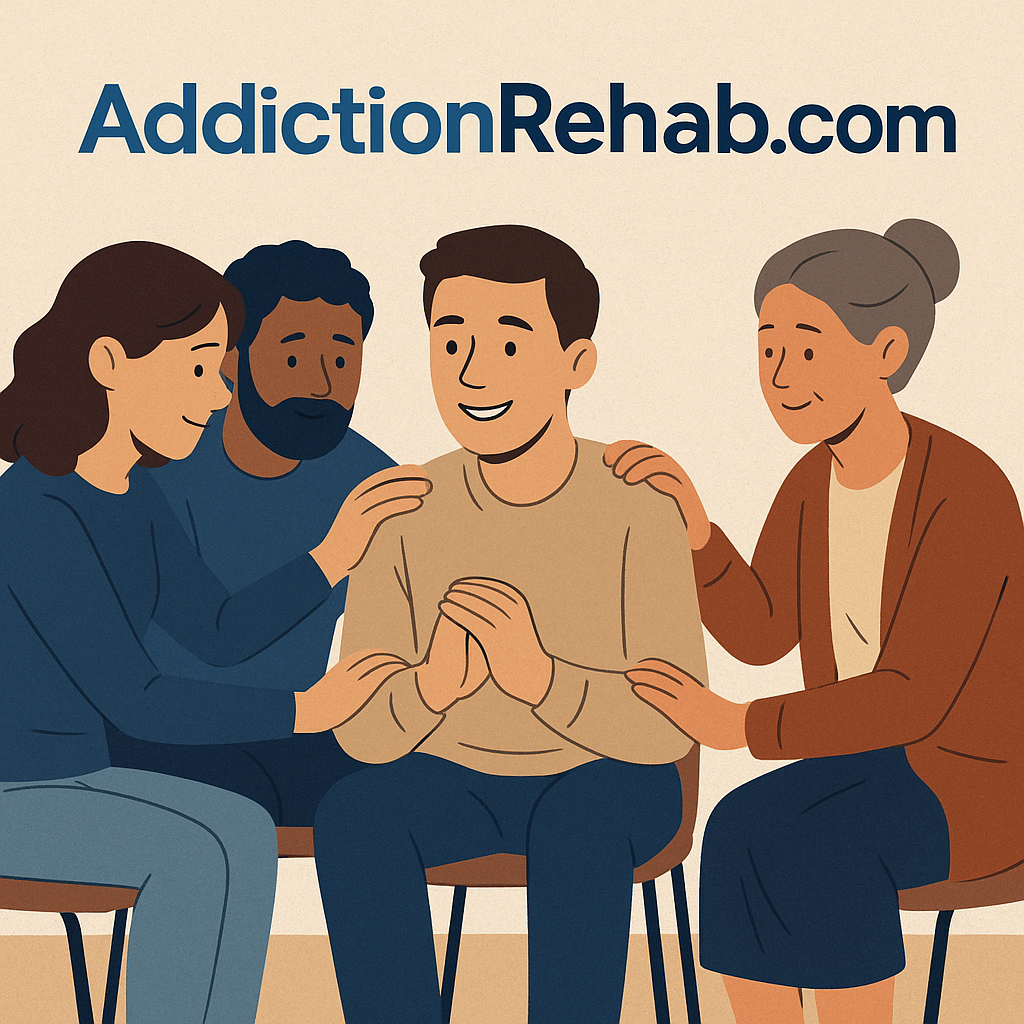
Addiction recovery is a deeply personal journey, and finding effective support can make all the difference. With so many treatment options available, understanding what makes the best rehab programs truly effective is essential for anyone seeking lasting recovery from substance use disorders.
The best programs are not defined by a single method but by a combination of medical care, evidence-based therapies, individualized treatment plans, and long-term support that helps people rebuild their lives.
What Makes the Best Rehab Programs?
The most effective rehab programs share several key qualities. They focus on treating the whole person—not just the addiction—and provide structured care tailored to each individual’s needs.
High-quality programs typically include:
- Medical supervision and safety
- Personalized treatment planning
- Evidence-based therapies
- Mental health support
- Strong aftercare services
These components work together to improve recovery outcomes and reduce the risk of relapse.
Types of Rehab Programs
Different people require different levels of care depending on the severity of addiction, mental health status, and personal circumstances.
Inpatient Rehab Programs
Inpatient or residential programs require individuals to stay at a treatment facility full-time. This provides a highly structured environment with 24/7 medical supervision.
These programs are best suited for:
- Severe substance dependence
- High relapse risk
- Unstable home environments
- Need for medical detox support
Inpatient care removes external triggers, allowing individuals to focus entirely on recovery.
Outpatient Rehab Programs
Outpatient programs allow individuals to live at home while attending scheduled therapy sessions. This flexible option is ideal for those with mild to moderate addiction.
Benefits include:
- Ability to maintain work or school
- Lower cost compared to residential care
- Continued family involvement
- Gradual transition into recovery
Outpatient care can also serve as a step-down level after inpatient treatment.
Intensive Outpatient Programs (IOP)
Intensive outpatient programs offer a middle ground between inpatient and standard outpatient care. They include multiple therapy sessions per week while allowing individuals to remain at home.
IOPs are especially effective for those needing structured support without full-time residential care.
Evidence-Based Therapies in Top Rehab Programs
The best rehab programs rely on scientifically proven treatment methods that address both physical dependency and psychological factors.
Cognitive Behavioral Therapy (CBT)
CBT helps individuals identify negative thinking patterns and replace them with healthier behaviors. It is one of the most widely used and effective addiction therapies.
Individual Counseling
One-on-one therapy sessions allow patients to explore the root causes of addiction, such as trauma, stress, or emotional challenges.
Group Therapy
Group counseling provides peer support and helps individuals realize they are not alone in their struggles. It also builds accountability and motivation.
Family Therapy
Addiction impacts families as well. Family therapy helps rebuild trust, improve communication, and create a supportive environment for recovery.
Dual Diagnosis Treatment
Many individuals with addiction also experience mental health conditions such as depression, anxiety, or PTSD. The best rehab programs offer dual diagnosis treatment, which addresses both issues at the same time.
Treating both conditions together significantly improves recovery success and reduces relapse risk.
Detox and Medical Support
For many individuals, recovery begins with detoxification. Medical detox programs safely manage withdrawal symptoms under professional supervision.
Benefits of medically supervised detox include:
- Reduced withdrawal risks
- Continuous medical monitoring
- Medication support when needed
- Emotional and physical stabilization
Detox alone is not enough for long-term recovery, but it is a critical first step.
Importance of Aftercare in Rehab Programs
Recovery does not end when treatment is completed. The best rehab programs include strong aftercare planning to support long-term sobriety.
Aftercare services may include:
- Ongoing therapy sessions
- Support group participation
- Relapse prevention planning
- Sober living arrangements
- Continued medical or psychiatric care
These services help individuals maintain stability after leaving structured treatment.
How to Choose the Best Rehab Program
Selecting the right program is an important decision that should be based on individual needs and recovery goals.
Key factors to consider include:
- Accreditation and licensing
- Experience of medical and therapy staff
- Treatment methods used
- Level of care offered
- Mental health support availability
- Success rates and patient outcomes
- Aftercare and recovery support
Choosing the right fit increases the likelihood of long-term recovery success.
The Role of Personalized Treatment
No two addiction cases are the same. The best rehab programs recognize this and design individualized treatment plans for each patient.
Personalized care considers:
- Type of substance used
- Duration of addiction
- Physical health condition
- Mental health needs
- Personal goals and lifestyle
This tailored approach improves engagement and recovery outcomes.
Life After Rehab
Completing a rehab program is a major milestone, but recovery continues beyond treatment. Individuals must build healthy routines and maintain ongoing support.
Key elements of long-term recovery include:
- Healthy lifestyle habits
- Strong support systems
- Stress management techniques
- Avoiding triggers and high-risk situations
- Continued therapy or counseling
Sustained effort is essential for maintaining sobriety and preventing relapse.
Conclusion
The best rehab programs are those that provide comprehensive, individualized, and evidence-based care. They address not only addiction but also the underlying emotional, psychological, and social factors that contribute to substance use.
With the right treatment program, professional support, and commitment to recovery, individuals can rebuild their lives, restore relationships, and achieve long-term sobriety. Recovery is possible, and choosing the right program is the first step toward a healthier future.
0 Comments